Welcome to our tiny Wellness Center
How are you today?
🌻 If your answer is...."I just need someone to encourage me today."
I would listen to one of the Real Positive Change Podcasts.
There I explore and share practical ways to care for your mind, emotions, and nervous system—one conversation at a time.
🌻"I want to start my day with hope."
Use this daily journal to reflect on Scripture, practice gratitude, and reinforce a Creative Reminder that will encourage your heart.
Take five minutes for yourself today.
A few quiet moments of reflection can help you slow down, process your thoughts, and care for your heart.
Print this Free Daily Journal
Download Free Grow Joy
Journal Page

🌻 "I need a fresh perspective. I want to turn today's challenges into tomorrow's growth."
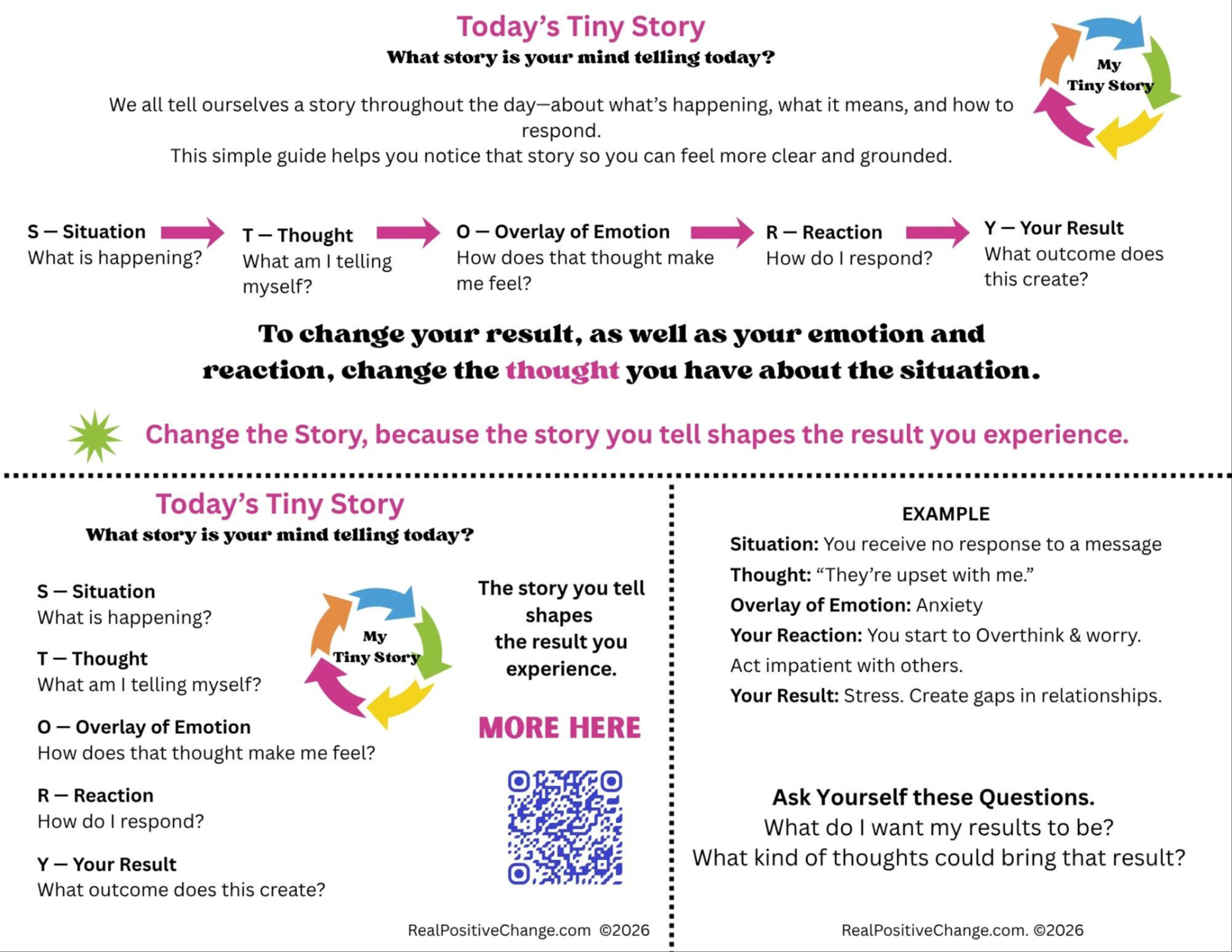
Today's Tiny Story - the S.T.O.R.Y process
A simple daily reflection using the S.T.O.R.Y. process to help you become more aware of your thoughts, respond with intention, and discover the next step forward.
May I share one of my experiences...
No sooner had I written and recorded this week’s podcast than life gave me several opportunities to put it into practice.
The message for Podcast 28 is, Who is in control? You, or your thoughts?
It’s one thing to talk about staying calm and grounded…
and another thing entirely when real life shows up and your thoughts start moving quickly.
That’s where I found myself.
Nothing dramatic—just those everyday moments that quietly shift your mood…
where a thought slips in, and before you know it, your emotions follow.
My husband had been working extremely long hours...and with my schedule and his going in two different directions, I noticed I was feeling a little disconnected, which can often lead to other thoughts—like feeling unseen or lonely.
For some, those feelings might show up as not feeling chosen, feeling un-prioritized, or even feeling forgotten by those closest to them.
At the root of all of this is often one simple thought:
👉 I feel disconnected… and I long for meaningful connection.
For me, the busyness of life all around me started to create thoughts that I wasn’t spending as much time with my husband as I would like. I began to feel like I was on the back burner to everything else going on.
But before a pity party could get started… I paused.
I reached for Creative Reminder #225:
“I choose thoughts that bring peace and calm to my mind, and I speak to myself and others with respect, kindness, and patience. With each breath, I release tension, embrace serenity, and create a space where inner peace and harmony can flourish.”
Instead of trying to force my thoughts to change…
I simply let that reminder create a little space.
A neutral place. A space where I could stop the flood of emotion.
It was like clearing a small path in my mind…
so something better could take root. It can be harder to hear the gentle promptings of the Spirit when our minds are filled with thoughts that act like weeds in a garden—quietly crowding out the beauty that’s trying to grow.
So the important thing here is...you are
Not seeking for perfection.
Not trying to control every thought.
You are just learning how to gently pause… and give your mind a new place to land.
And one of the most powerful ways we do that is through creating.
🌻 "I need to create something with my hands."
Creative Calm Project
Tickle Their Toes
A Tiny Foot Soak for the Soul
Make this Gift for yourself and to share with friend.
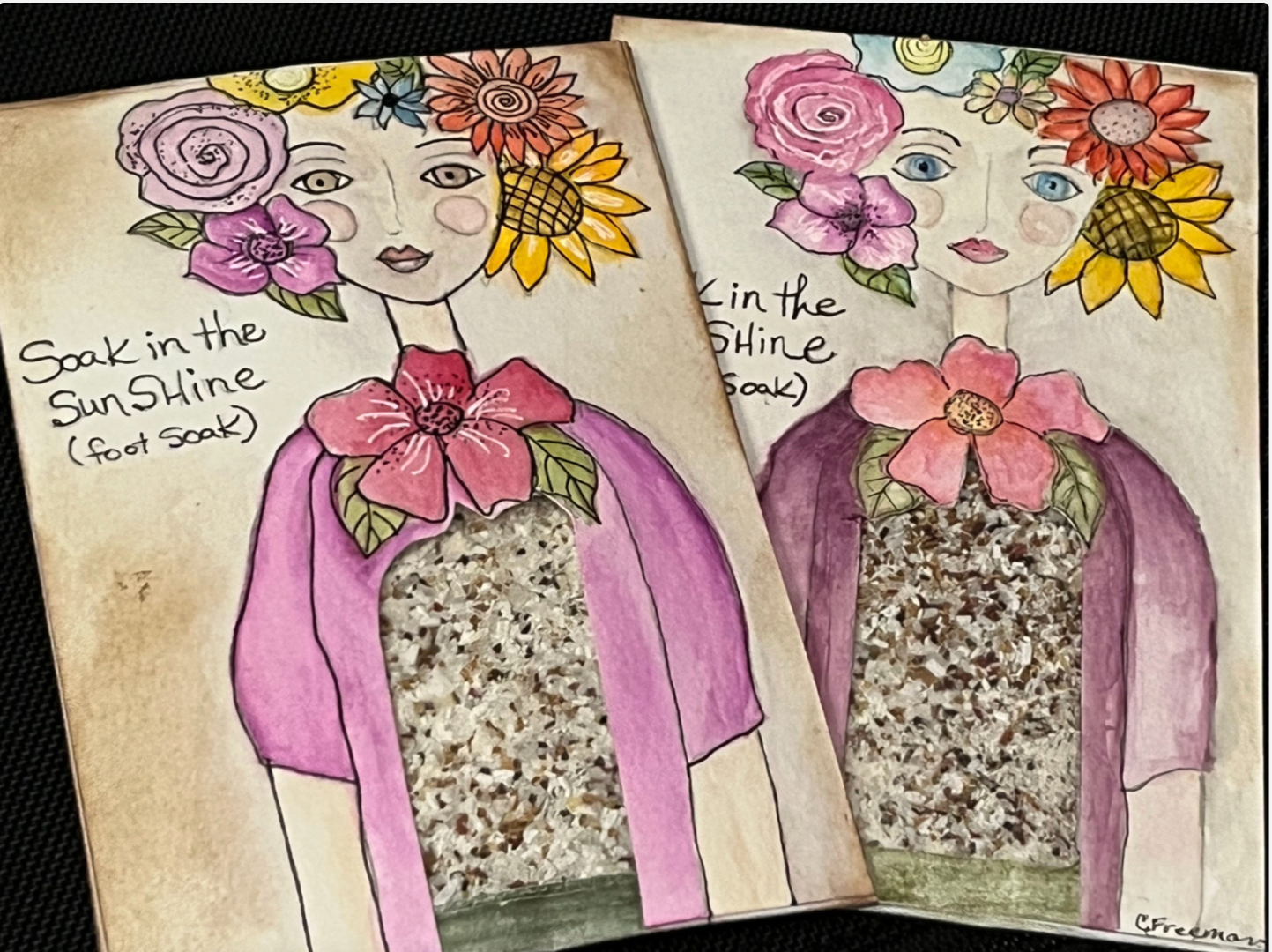
Watch this class and Download the template
Take this class free.
🌻 "I need some quick tools."
Below are Practices That Address Stress for Adults and Children
When parents model emotional steadiness and give your children simple tools to work with stress, they’re not just helping today’s emotions — they’re building lifelong resilience.
Support to lower the stress that fuels anxiety, shift the stories we tell ourselves, and find creative ways to express feelings that words can’t always hold.
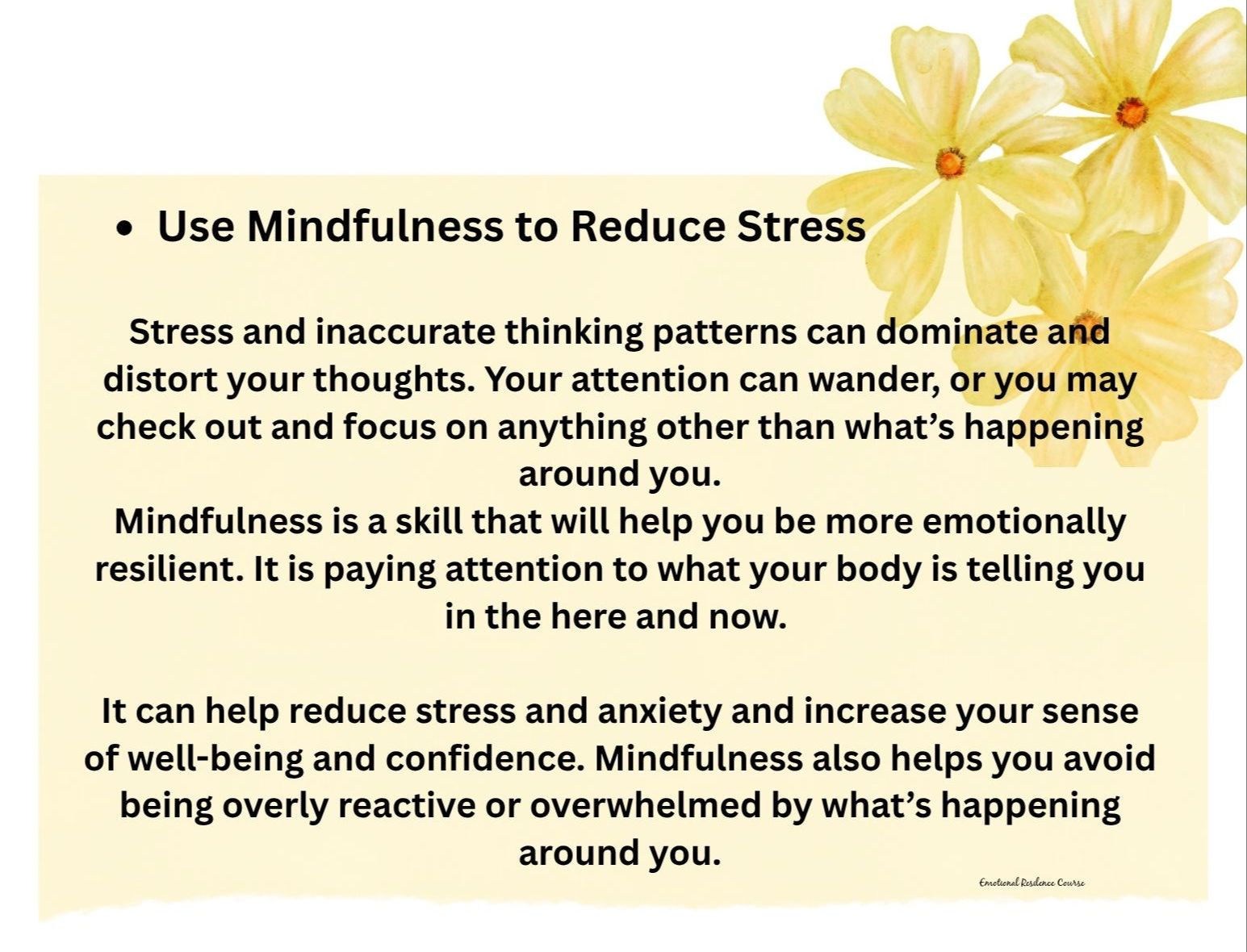
D.I.Y. Neutralize Stress Manage Emotions
This video shares a simple way to lower the emotional impact of stress, anywhere, anytime.
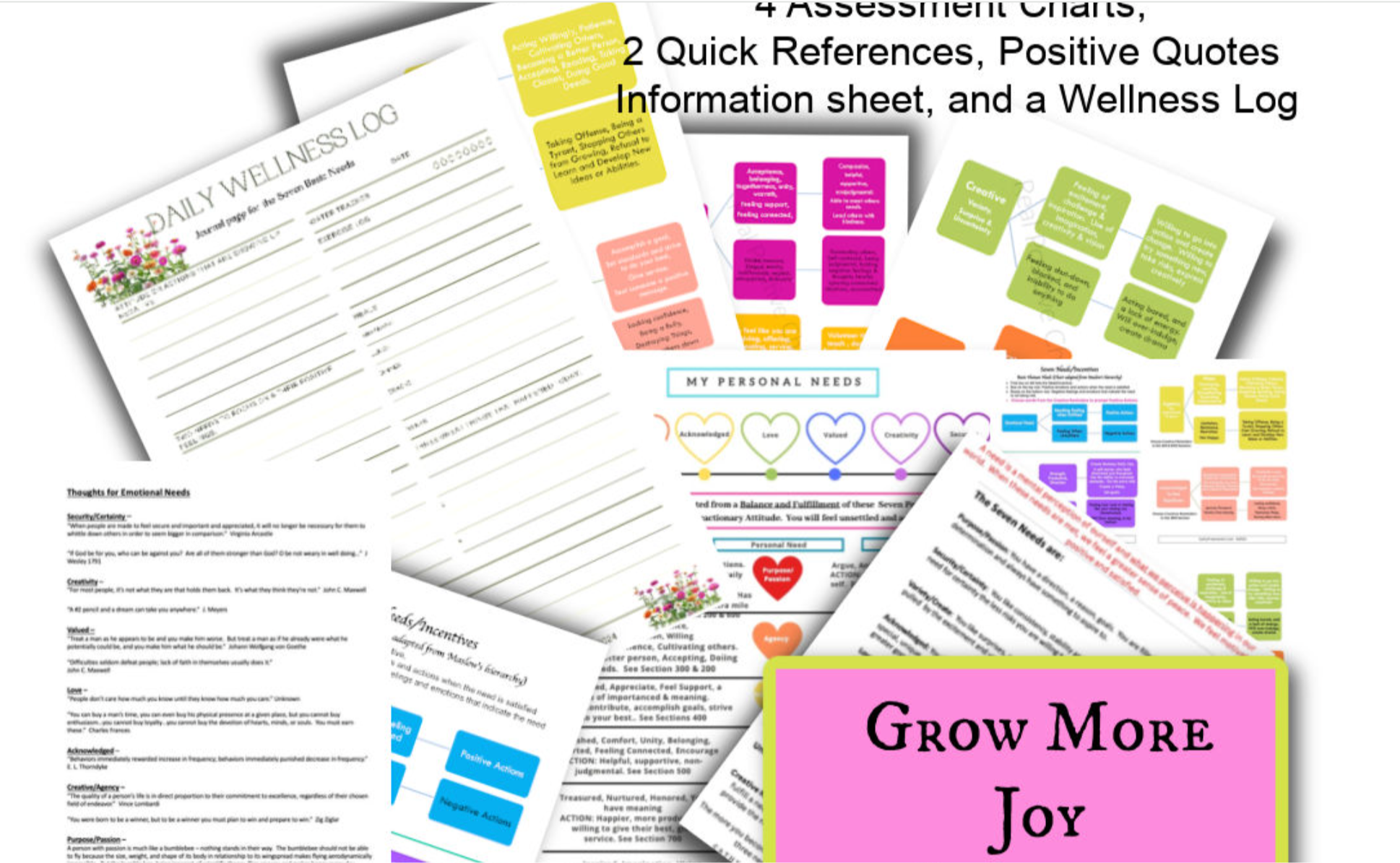
When Your Needs Go Unnoticed-The Seven Human Needs
When your needs go unnoticed, your emotions can feel overwhelming.
We all have a few basic needs on the inside—things like feeling safe, loved, valued, and able to make our own choices.
When these needs are being met, we tend to feel more at peace, patient, and steady.
But when they go unnoticed or unmet, that’s often when emotions like stress, frustration, or overwhelm begin to rise.
This packet will walk you through the 7 basic needs—helping you recognize what it looks like when a need is being met, and how you may react when it’s not.
Download these pages.
When your needs go unnoticed, your emotions can feel overwhelming.
This simple guide will help you recognize what’s really going on inside—so you can respond with greater clarity, peace, and intention.
Creative Communication – Helping Children and Adults Express Feelings
When parents model emotional steadiness and give your children simple tools to work with stress, they’re not just helping today’s emotions — they’re building lifelong resilience.
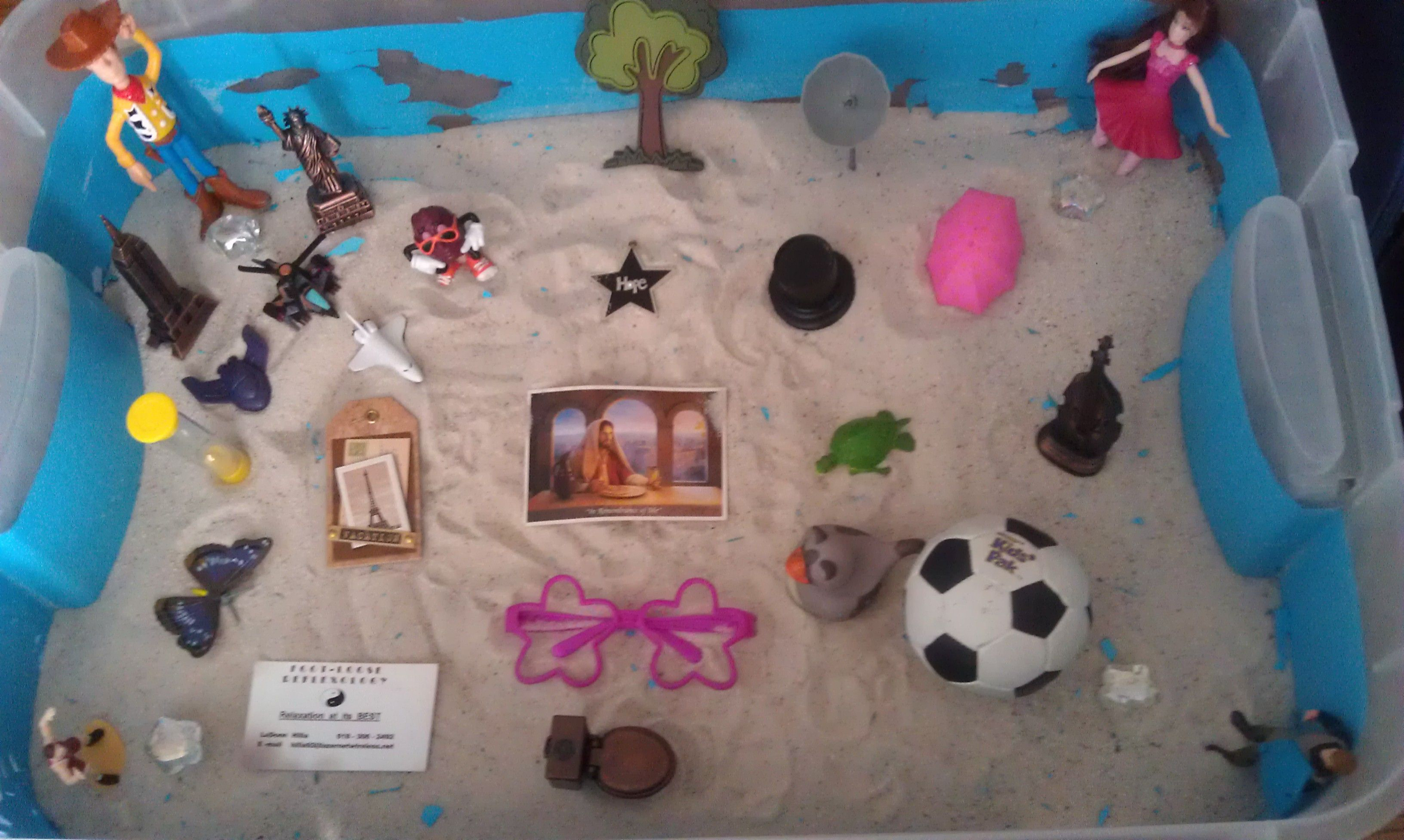
Sand Talk:
offers children a safe, nonverbal way to express their emotions.
By creating small scenes in the sand, they can show what they’re feeling—without needing the right words.
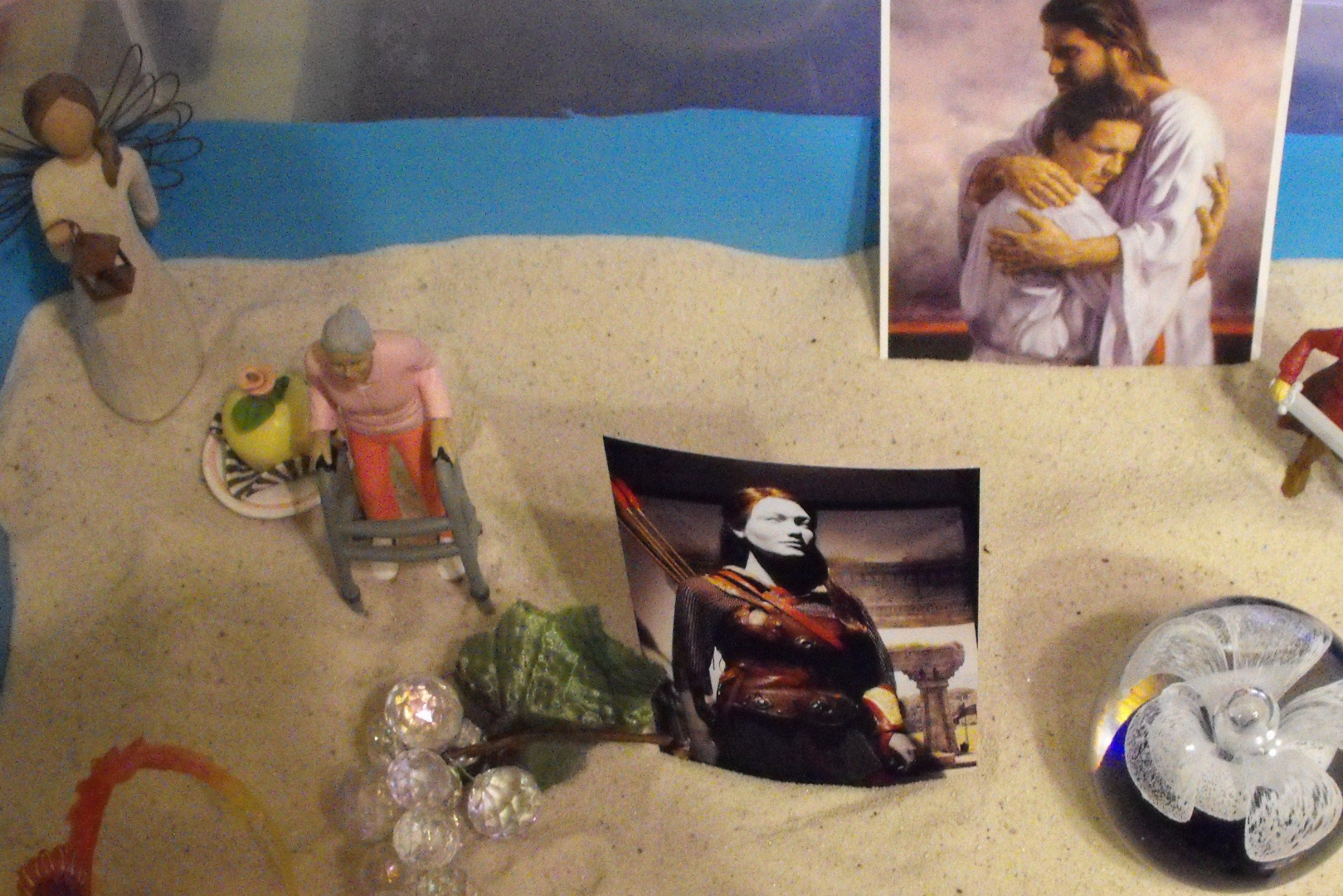
A mother's experience:
"It is empowering to have the tools to help my children. The first session with my oldest son was a great learning experience for both of us. I had him do it before going to school. It was day 1 of the MAP test. He was able to transform his view of himself, including his lack of confidence and negative thinking, into a positive mindset, and see his self-worth, ultimately perceiving himself as a successful student.
It was exciting to see him "transform" his tray. My son saw himself as the green dinosaur, feeling overwhelmed, with his hands up to cover his ears, being surrounded by "big teachers" who were yelling at him. To feeling like he is "an A student".All 3 of my boys enjoyed doing this. I'm thankful to Cathy for teaching me how to use it so that I can help my whole family out. It is so easy and simple to do. Thanks, Cathy, for sharing your skills with me so that I can share them with my own family. Sand Talk is a great communicator between my boys and myself, knowing what they are thinking and feeling. The Sand Talk is 1 way of self-discovery between the conscious and self-conscious."
Sally Dutton - Mother of 5
How I Use the Sand Talk for My Children
This is not a toy to keep out all the time. I only bring it out when I feel like the child needs a way to release stress or something that is hard to communicate.
Fill a 24 x 18 (or similar size) plastic container with sand. Make sure the sand has a lid that fits tightly so sand cannot fall out.
Have another container of small toys and objects that can symbolize different emotions and feelings.
STEPS: (NOTE - your goal is to give an avenue in which the child can express what they are thinking and feeling. This is not a therapy session. Simply listen and help them work through a solution in their mind.)
- I tell the child to place the objects in the sand anywhere that they choose.
- Once they are finished, I ask them to tell me about what each object means. And I listen for the story of what might be upsetting them. (I am listening to what the object represents for them)
* I only listen and acknowledge what they are saying. Another way to ask them to tell you about each object is to say, "Tell me the story about this."
2. The goal is not to tell them what to do. The goal is to help them find their own solution. You could ask, "what object could help with that ____________(state the problem)? "What could make that feel better to you?" Let them pick an object that represents a positive solution.
How Sand Talk Can Support Academic Success
Sand Talk is more than a creative play activity—it’s a gentle, hands-on tool that helps children process emotions, reduce stress, and build emotional awareness. Here’s how it can impact learning:
-
Reduces Anxiety and Stress
When children have a safe outlet to express worries or frustrations, their stress levels drop. Lower stress allows the brain to focus better on learning, reading, and completing assignments. -
Encourages Emotional Literacy
Through Sand Talk, children learn to identify and communicate feelings. This strengthens self-awareness and confidence, which helps them participate more fully in class and social interactions. -
Boosts Problem-Solving Skills
As children create stories and scenarios in the sand, they practice making decisions, experimenting with solutions, and thinking creatively—skills that transfer directly to schoolwork. -
Improves Concentration and Patience
The focused, calming nature of Sand Talk teaches children to slow down, observe details, and sustain attention. These skills make it easier to follow instructions and complete projects in school. -
Fosters Resilience and Coping Skills
Children who feel heard and supported through Sand Talk are better equipped to handle challenges and setbacks in academics, leading to steadier performance and improved grades.
🌻🐝
Disclaimer
The information and resources shared on this page have been used by me, my clients, and my family. They are provided for personal self-care and educational purposes only.
Nothing on this page is intended to replace the care or advice of a licensed medical professional. Please seek professional help if you are experiencing more than typical daily stress or have concerns about your mental or physical health.
By choosing to use the resources on this page, you do so at your own discretion.